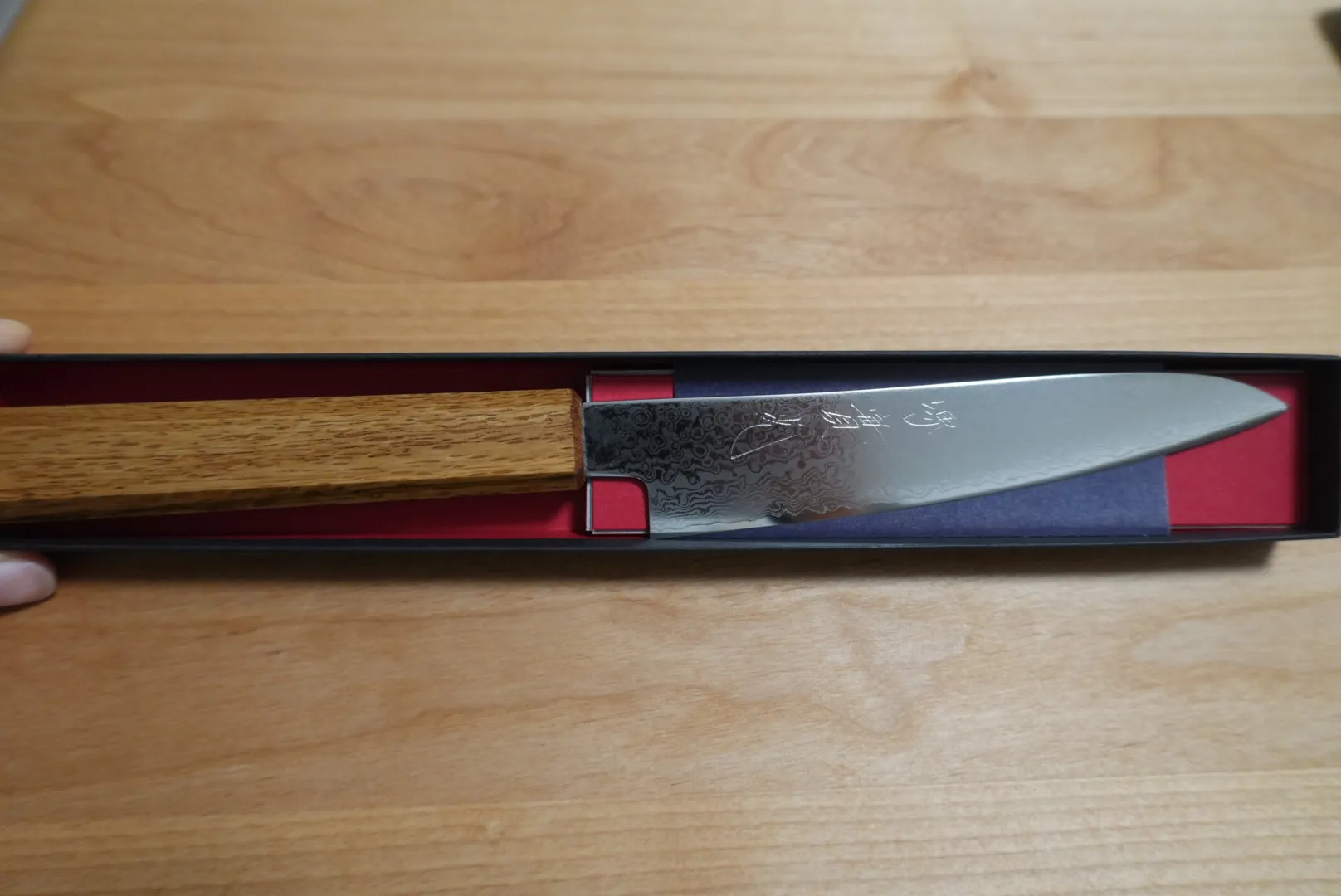
The JIKKO Loco Damascus Petty VG10 is a 135mm precision utility knife handcrafted in Sakai, Japan — the city that makes over 90% of Japan’s professional knives. I purchased it at Kappabashi, Tokyo and use it daily. In this hands-on review, I cover sharpness, precision, and whether it is worth $207. Verdict: exceptionally sharp out of the box, beautifully made, and worth the investment for serious home cooks.
About JIKKO: 120 Years of Sakai Craftsmanship
JIKKO (實光刃物, Jikko Hamono) was founded in 1901 in Sakai, Osaka Prefecture — the city responsible for over 90% of Japan’s professional chef knives. Sakai’s blade-making tradition stretches back 600 years, originally producing samurai swords before pivoting to kitchen cutlery during the Edo period.
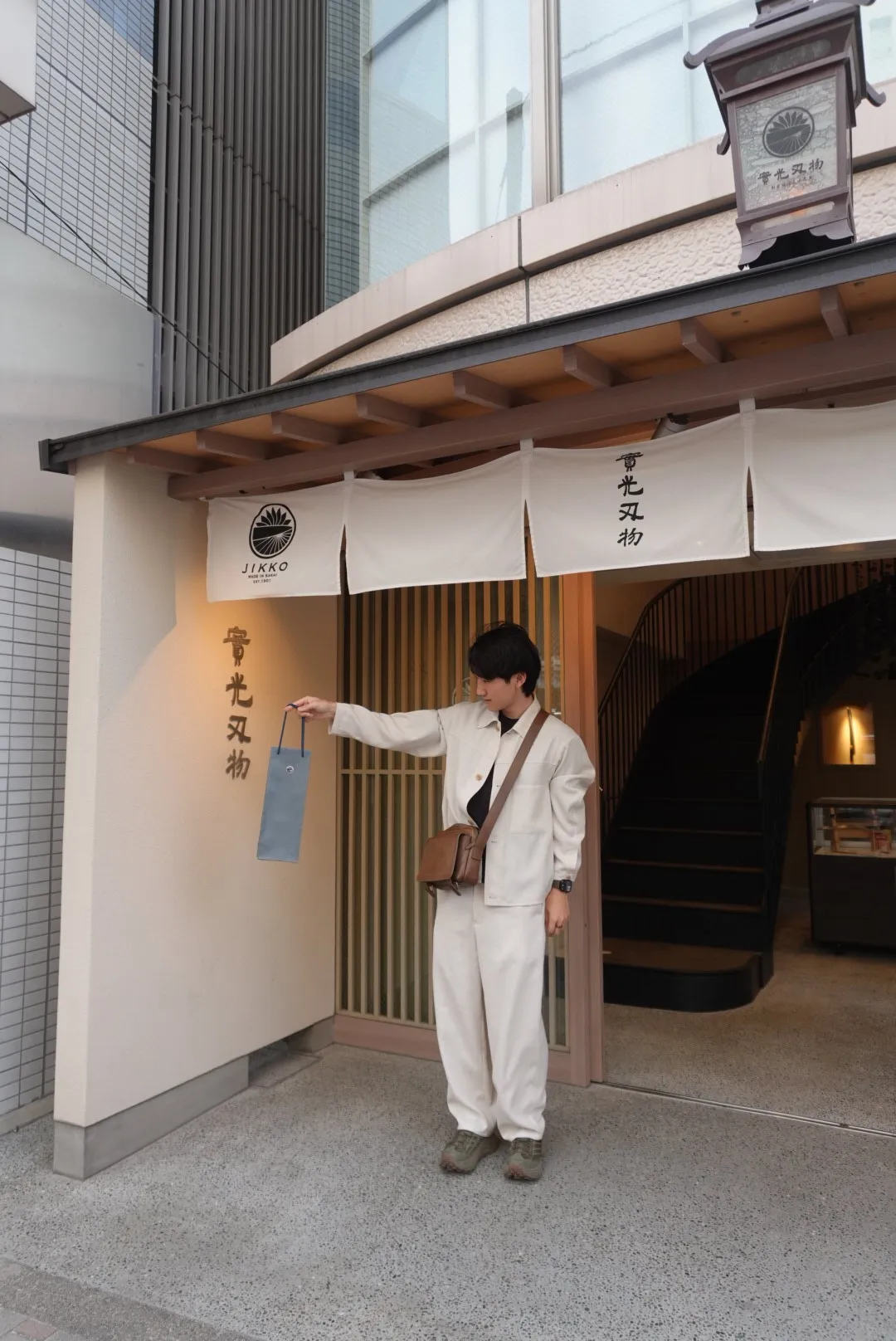
This is my second JIKKO knife. My first was the JIKKO Nakiri, which I’ve used daily for months. The Petty was the natural next purchase — a smaller blade for the detailed work the Nakiri cannot do.
The Knife I Tested: JIKKO Loco Damascus Petty VG10
The JIKKO Loco Damascus Petty is a Japanese utility knife — smaller and more nimble than a chef’s knife, designed for tasks that demand precision: peeling, trimming, segmenting citrus, removing pin bones, and any prep work where a large blade is simply too much.
Specifications
| Spec | Detail |
|---|---|
| Knife Type | Petty / Utility Knife |
| Brand | JIKKO (實光刃物), Est. 1901 |
| Origin | Sakai, Osaka, Japan |
| Blade Length | 5.3 inches (135mm) |
| Steel | VG-10 Damascus Stainless Steel |
| Bevel | Double-bevel (ryoba / 両刃) |
| Handle | Oak (natural wood) |
| Bolster | None |
| Price | $207.00 |
| Where to Buy | jikkocutlery.com |
First Impressions
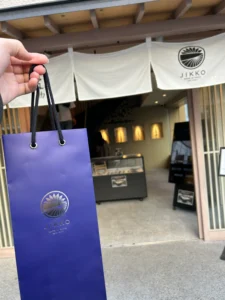
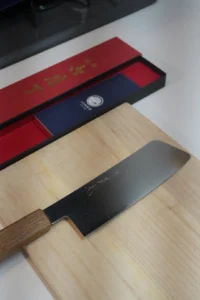
The JIKKO Petty arrives with the same premium presentation as the Nakiri — lacquered gift box, navy JIKKO shopping bag, the attention to unboxing that signals you’ve bought something made with genuine care.
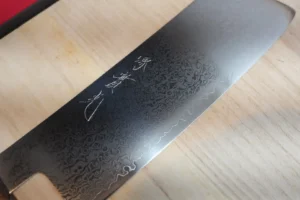
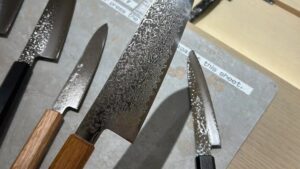
In hand, the 135mm blade feels lighter and more responsive than expected. The Damascus pattern is visually striking — flowing lines that remind you this steel was worked by a craftsman, not pressed in a factory. The Oak handle sits naturally between fingers, encouraging a pinch grip that gives precise control. No bolster means the blade-to-handle transition is clean and uninterrupted.
Out of the box: paper-slice test passed right away. Clean, straight cut, zero drag.
Performance: How the JIKKO Petty Handles Real Kitchen Tasks
Precision Work
This is where the Petty earns its place. Tasks I used to avoid — segmenting blood oranges, trimming shallots, peeling ginger into thin strips — became genuinely enjoyable. At 135mm the blade is short enough to maneuver freely but long enough to handle most prep in a single stroke.
The tip is fine and responsive. Scoring fish skin, deveining prawns, removing the core from cherry tomatoes — the Petty does all of this with a level of control a larger knife simply cannot match.
Sharpness and Edge Retention
VG-10 steel behaves exactly as expected: exceptional initial sharpness that holds up through weeks of regular use before any noticeable dulling. The Damascus layering is not purely decorative — the multi-layer construction reduces friction as the blade passes through food, which you feel most clearly in thin, delicate cuts.
Handle and Balance
The Oak handle is a clean, traditional choice — naturally warm in the hand, and grippy even when wet. No bolster means the full blade length is usable, and the knife balances closer to neutral, appropriate for precision utility work where fine motor control matters more than momentum.
Maintenance
The same care as all quality Japanese knives: hand-wash only, dry immediately. VG-10 is more stain-resistant than carbon steel, which makes this Petty slightly more forgiving for those new to Japanese knife care — but it still rewards proper handling.
Pros and Cons
Pros
- Razor-sharp factory edge — ready immediately
- Beautiful VG-10 Damascus finish
- 120 years of authentic Sakai craftsmanship
- Natural Oak handle — warm and grippy
- No bolster — full blade usable
- Premium gift-ready packaging
Cons
- Hand-wash only — no dishwasher
- More brittle than German steel — avoid bones and frozen food
- $207 — a deliberate investment
- Limited availability outside Japan
Who Should Buy the JIKKO Petty Knife?
Buy it if you are:
- A serious home cook who already owns a chef’s knife and wants a precision companion
- A collector drawn to genuine Sakai craftsmanship and Damascus steel aesthetics
- Someone buying a premium gift — the packaging and blade finish impress on sight
- An existing JIKKO Nakiri owner looking to complete the set
Skip it if you are:
- Looking for your first knife — start with a santoku or nakiri instead
- Someone who dishwashers knives
- On a tight budget — JIKKO is a deliberate investment
Where to Buy
- Official site: jikkocutlery.com — ships internationally
- In Japan (Tokyo): JIKKO Kappabashi store (合羽橋)
Frequently Asked Questions
- What is a petty knife used for?
-
A petty knife is a Japanese utility knife, typically 120–150mm, designed for precision tasks: peeling, trimming, segmenting citrus, removing pin bones, and detailed prep work a larger knife cannot handle cleanly. The JIKKO Loco Petty at 135mm works equally well in-hand and on a board. See our Japanese petty knife guide for a full overview of how this knife type works.
- Is the JIKKO Petty Knife worth it?
-
Yes — for the right cook. At $207, the JIKKO Petty is a deliberate investment in authentic Sakai craftsmanship. The VG-10 Damascus steel, Oak handle, and handcrafted finish are the work of a 120-year-old maker. For cooks who already understand Japanese knife care, it is absolutely worth it.
- How does the JIKKO Petty compare to the JIKKO Nakiri?
-
Different tools for different tasks. The JIKKO Nakiri is a dedicated vegetable knife — flat blade, push-cut only. The Petty is a precision utility blade for in-hand work and detailed prep. Together they cover the full range of home kitchen tasks with no overlap.
- Can I buy JIKKO knives outside Japan?
-
Yes. JIKKO ships internationally through their official site at jikkocutlery.com.
- What steel is the JIKKO Petty Knife made from?
-
The JIKKO Loco Damascus Petty uses VG-10 stainless steel with a Damascus pattern — one of the most respected Japanese steels for kitchen knives. VG-10 offers excellent sharpness, good edge retention, and is more stain-resistant than pure carbon steel.
Verdict
Yes — for the right cook, unequivocally.
The JIKKO Loco Damascus Petty VG10 does what all great Japanese knives do: it makes you want to cook. The precision it unlocks in daily prep — the clean peel, the fine trim, the confident score — is the kind of difference you feel immediately and appreciate every single time you reach for it.
This is my second JIKKO. It will not be my last.
Overall Rating: 4.9 / 5
Sharpness: 5/5 | Craftsmanship: 5/5 | Precision: 5/5 | Value for Money: 4/5 | Maintenance: 4/5
— Takuma, Tsuru Knife
Disclosure: Some links are affiliate links. If you purchase through them, we earn a small commission at no extra cost to you. We only recommend products we have personally tested.